Islam and the Discoveries of Modern Science

Islam and the Discoveries of Modern Science
Author :
Number of volumes :
1
Publisher :
Publish number :
First
Publication year :
2006
(0 Votes)
(0 Votes)
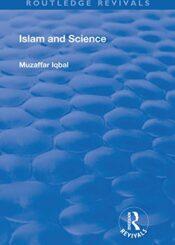
Islam and the Discoveries of Modern Science
The relationship between revelation and reason has long been a subject of reflection in Islamic thought. Islam and the Discoveries of Modern Science examines this relationship by exploring how contemporary scientific findings resonate with, illuminate, and sometimes challenge modern assumptions about faith and knowledge.
About the Book Islam and the Discoveries of Modern Science presents a thoughtful discussion on the compatibility between Islamic teachings and modern scientific discoveries. Drawing primarily from the Qur’an and supported by rational inquiry, the book argues that Islam encourages observation, reflection, and intellectual engagement with the natural world rather than blind acceptance or rejection of science.
The book addresses key scientific fields such as cosmology, embryology, natural laws, and the order of the universe, showing how Qur’anic verses invite contemplation of creation as signs (āyāt: indicators pointing toward divine wisdom). Rather than presenting the Qur’an as a scientific textbook, the author emphasizes its role as a guide that stimulates inquiry while maintaining spiritual and ethical orientation.
What You Will Discover
- The Islamic view of knowledge as a harmony between revelation and reason.
- Qur’anic encouragement of observation, experimentation, and reflection.
- The concept of āyāt (signs of God in nature) and their relevance to scientific discovery.
- How modern scientific findings can deepen appreciation of divine order without reducing faith to science.
- Common misconceptions about conflict between Islam and modern science.
- The limits of scientific inquiry in addressing metaphysical and moral questions.
- A balanced framework for engaging science without compromising religious principles.
About the Author The author approaches the subject with intellectual rigor and theological sensitivity, aiming to bridge the gap between scientific discourse and Islamic belief. The work reflects familiarity with both modern scientific discussions and classical Islamic perspectives.
Who Is This Book For? This book is for readers interested in understanding how Islam engages with modern science, particularly students, educators, and those seeking a rational and faith-consistent approach to contemporary scientific thought.